
 |
 |
 |
 |
 |
 |
 |
 |
 |

 |

Orlando, Fla. (UPI) Sep 24, 2010 An artificial arm programmed to work automatically disappointed some users in a study -- they said it was "too easy" -- U.S. researchers report. University of Central Florida researchers thought the ease of using the program's automatic mode would be a huge hit, but they were surprised when most test participants preferred the manual mode-- which requires them to think several steps ahead and either physically type in instructions or verbally direct the arm with a series of precise commands -- a university release said. "We focused so much on getting the technology right," Assistant Professor Aman Behal said. "We didn't expect this." John Bricout, Behal's collaborator and associate dean at the University of Texas School of Social Work, said the study demonstrates how people want to be engaged -- but not overwhelmed -- by technology. "If we're too challenged, we get angry and frustrated. But if we aren't challenged enough, we get bored," said Bricout, who has conducted extensive research on adapting technology for users with disabilities. "We all experience that. People with disabilities are no different." The key is to design technology that can be individualized with ease, Behal said. Some patients will have more mobility than others, and they may prefer a design closer to the manual mode. Though the automatic mode wasn't popular in the pilot study, it may be the best option for patients with more advanced disease and less mobility, he said.
Share This Article With Planet Earth
Related Links All about the robots on Earth and beyond!

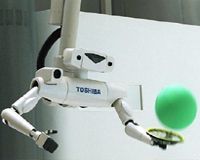 'Helper' robots seen within 10 years
Ithaca, N.Y. (UPI) Sep 23, 2010 Robots capable of helping people with everyday tasks could be available and affordable within 10 years, a U.S. researcher predicts. Ashutosh Saxena, Cornell University assistant professor of computer science, is working to bring robots into homes and offices that can clean up a messy room, assemble a flat-pack bookcase or unload a dishwasher, all without human intervention, a university ... read more |
|
|
| The content herein, unless otherwise known to be public domain, are Copyright 1995-2010 - SpaceDaily. AFP and UPI Wire Stories are copyright Agence France-Presse and United Press International. ESA Portal Reports are copyright European Space Agency. All NASA sourced material is public domain. Additional copyrights may apply in whole or part to other bona fide parties. Advertising does not imply endorsement,agreement or approval of any opinions, statements or information provided by SpaceDaily on any Web page published or hosted by SpaceDaily. Privacy Statement |


 del.icio.us
 Digg
Digg Reddit
 YahooMyWeb
 Google
 Facebook


