
 |
 |
 |
 |
 |
 |
 |
 |
 |

 |

Nashville TN (SPX) Jul 27, 2010 Dynetics has successfully completed a test firing series of the Multipurpose NanoMissile System (MNMS) first-stage demonstration booster being developed for the U.S. Army Space and Missile Defense Command/Army Forces Strategic Command (USASMDC/ARSTRAT). The series included a 60-second test of the 3,000 lbf nitrous oxide/ethane rocket engine. The MNMS booster was developed over 24 months with numerous rocket motor development tests. Dynetics is working with the USASMDC/ARSTRAT and COLSA Corporation to develop the propulsion system for MNMS, a revolutionary low-cost, low-complexity, multi-configuration missile for use in a variety of tactically relevant suborbital and orbital applications. The need for on-demand intelligence and communications in remote geographical locations is increasing the requirement for rapidly deployable and tailorable assets such as the MNMS. MNMS uses a very low-cost, modular and safe storable liquid boost propulsion system to greatly improve reliability and responsiveness. The system requires only 24 hours from storage call-up to launch readiness. The MNMS is an integrated tank/booster/engine design with a benign bi-propellant liquid engine, using existing launch support and launch site hardware. The configurable boosters can be tailored to many specific missions, including missile defense target vehicle, infrared and radar sensor exerciser, hypersonic test vehicle for aerospace components, pop-up reconnaissance system and highly responsive orbital launch vehicle for nanosatellite payloads (10 kg to low-Earth orbit). Unlike past attempts to develop low-cost, small launchers, the MNMS system is designed from the start to meet the operationally responsive mission. To accomplish this objective in a cost-effective and environmentally safe way, it utilizes the following features: lowest cost materials; a safe fuel and oxidizer (ethane and nitrous oxide); pressure-fed propellants; reliability and low-part count over performance; modular assembly for "made to order capability; "ship and shoot" approach; and minimal range requirements. John London, program manager for SMDC-Operational Nanosatellite Effect (ONE), said: "We are very pleased with the outcome of the recent test firing. The MNMS will give the warfighter enhanced capabilities from space by providing the ability to fly into and through space to include both suborbital and orbital missions. It will also boost key space and missile defense technologies into their required trajectories or orbits, facilitating the testing and exercising of these technologies. We appreciate Dynetics' significant role in this program." Tom Baumbach, Dynetics president, said, "With the development and long duration test of the MNMS booster, Dynetics continues to show our ability to rapidly put innovative, low-cost total system solutions together for our customers."
Share This Article With Planet Earth
Related Links Dynetics Learn about missile defense at SpaceWar.com All about missiles at SpaceWar.com

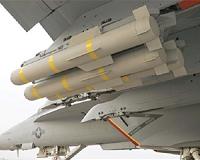 Raytheon-Boeing Team On Target During First Government-Funded Test Of JAGM
White Sands Missile Range NM (SPX) Jul 27, 2010 Raytheon and Boeing have completed the first of three government-sponsored firings of the Joint Air-to-Ground Missile. During the successful test, the JAGM used its laser guidance system to hit an 8-by-8-foot target board from a distance of 16 kilometers (10 miles). The Raytheon-Boeing JAGM features a tri-mode seeker with laser; an uncooled imaging infrared sensor; and millimeter wave guid ... read more |
|
|
| The content herein, unless otherwise known to be public domain, are Copyright 1995-2010 - SpaceDaily. AFP and UPI Wire Stories are copyright Agence France-Presse and United Press International. ESA Portal Reports are copyright European Space Agency. All NASA sourced material is public domain. Additional copyrights may apply in whole or part to other bona fide parties. Advertising does not imply endorsement,agreement or approval of any opinions, statements or information provided by SpaceDaily on any Web page published or hosted by SpaceDaily. Privacy Statement |


 del.icio.us
 Digg
Digg Reddit
 YahooMyWeb
 Google
 Facebook


