
 |
 |
 |
 |
 |
 |
 |
 |
 |

 |

Bristol, UK (SPX) Nov 26, 2010 Giant pterosaurs - ancient reptiles that flew over the heads of dinosaurs - were at their best in gentle tropical breezes, soaring over hillsides and coastlines or floating over land and sea on thermally driven air currents, according to new research from the University of Bristol. Pterosaurs (also referred to as pterodactyls) were too slow and flexible to use the stormy winds and waves of the southern ocean like the albatrosses of today, the research by Colin Palmer, an engineer turned paleontology PhD student in Bristol's School of Earth Sciences, found. Their slow flight and the variable geometry of their wings also enabled pterosaurs to land very gently, reducing the chance of breaking their paper- thin bones. This helps to explain how they were able to become the largest flying animals ever known. Using his 40 years of experience in the engineering industry, Colin Palmer constructed models of pterosaur wing sections from thin, curved sheets of epoxy resin/carbon fibre composite and tested them in a wind tunnel. These tests quantified the two-dimensional characteristics of pterosaur wings for the first time, showing that such creatures were significantly less aerodynamically efficient and were capable of flying at lower speeds than previously thought. Colin Palmer said: "Pterosaur wings were adapted to a low-speed flight regime that minimizes sink rate. This regime is unsuited to marine style dynamic soaring adopted by many seabirds which requires high flight speed coupled with high aerodynamic efficiency, but is well suited to thermal/slope soaring. The low sink rate would have allowed pterosaurs to use the relatively weak thermal lift found over the sea. "Since the bones of pterosaurs were thin-walled and thus highly susceptible to impact damage, the low-speed landing capability would have made an important contribution to avoiding injury and so helped to enable pterosaurs to attain much larger sizes than extant birds. The trade-off would have been an extreme vulnerability to strong winds and turbulence, both in flight and on the ground, like that experienced by modern-day paragliders."
Share This Article With Planet Earth
Related Links University of Bristol Darwin Today At TerraDaily.com

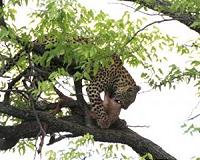 Tigers And Polar Bears Are Highly Vulnerable To Environmental Change
Durham, UK (SPX) Nov 26, 2010 Large predators are much more vulnerable than smaller species to environmental changes, such as over-hunting and habitat change, because they have to work so hard to find their next meal, according to a new study. Scientists matched studies of predator populations to the abundance of their prey and found that the largest species, such as lions, tigers or polar bears, had much greater decli ... read more |
|
|
| The content herein, unless otherwise known to be public domain, are Copyright 1995-2010 - SpaceDaily. AFP and UPI Wire Stories are copyright Agence France-Presse and United Press International. ESA Portal Reports are copyright European Space Agency. All NASA sourced material is public domain. Additional copyrights may apply in whole or part to other bona fide parties. Advertising does not imply endorsement,agreement or approval of any opinions, statements or information provided by SpaceDaily on any Web page published or hosted by SpaceDaily. Privacy Statement |


 del.icio.us
 Digg
Digg Reddit
 YahooMyWeb
 Google
 Facebook


