
 |
 |
 |
 |
 |
 |
 |
 |
 |

 |

Ames, IA (SPX) Jan 10, 2011 An international team of scientists has released data indicating that greenhouse gas uptake by continents is less than previously thought because of methane emissions from freshwater areas. John Downing, an Iowa State University professor in the ecology, evolution and organismal biology department, is part of an international team that concluded that methane release from inland waters is higher than previous estimates. The study, published in the journal Science, indicates that methane gas release from freshwater areas changes the net absorption of greenhouse gases by natural continental environments, such as forests, by at least 25 percent. Past analyses of carbon and greenhouse gas exchanges on continents failed to account for the methane gas that is naturally released from lakes and running water. Downing, a laboratory limnologist at Iowa State, has also conducted research measuring the amount of carbon sequestered in lake and pond sediment. This new study gives scientists a better understanding of the balance between carbon sequestration and greenhouse gas releases from fresh water bodies. "Methane is a greenhouse gas that is more potent than carbon dioxide in the global change scenario," Downing said. "The bottom line is that we have uncovered an important accounting error in the global carbon budget. Acre for acre, lakes, ponds, rivers and streams are many times more active in carbon processing than seas or land surfaces, so they need to be included in global carbon budgets." Methane emissions from lakes and running water occur naturally, but have been difficult to assess. David Bastviken, principal author and professor in the department of water and environmental studies, at Linkoping University in Sweden, said small methane emissions from the surfaces of water bodies occur continuously. "Greater emissions occur suddenly and with irregular timing, when methane bubbles from the sediment reach the atmosphere, and such fluxes have been difficult to measure," Bastviken said. The greenhouse effect is caused by human emission of gasses that act like a blanket and trap heat inside the Earth's atmosphere, according to the International Panel on Climate Change. Some ecosystems, such as forests can absorb and store greenhouse gasses. The balance between emissions and uptake determine how climate will change. The role of freshwater environments has been unclear in previous budgets, Downing said. The researchers studied methane fluxes from 474 freshwater areas and calculated emission based on new estimates of the global area covered by inland waters. The international team also included: Lars Tranvik, Uppsala University; Patrick Crill, Stockholm University; and Alex Enrich-Prast, University Federal of Rio de Janeiro.
Share This Article With Planet Earth
Related Links Iowa State University The Air We Breathe at TerraDaily.com

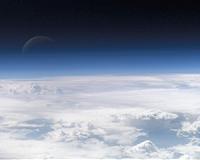 Atmosphere's self-cleaning capacity stable: study
Washington (AFP) Jan 7, 2011 An international team of researchers has found that the atmosphere's ability to cleanse itself of pollutants and other greenhouse gases, except carbon dioxide, is generally stable. The study, published in Friday's edition of the journal Science, comes amid a fierce debate over whether, as some experts believe, the atmosphere's self-cleaning ability was fragile and sensitive to environmental ... read more |
|
|
| The content herein, unless otherwise known to be public domain, are Copyright 1995-2010 - SpaceDaily. AFP and UPI Wire Stories are copyright Agence France-Presse and United Press International. ESA Portal Reports are copyright European Space Agency. All NASA sourced material is public domain. Additional copyrights may apply in whole or part to other bona fide parties. Advertising does not imply endorsement,agreement or approval of any opinions, statements or information provided by SpaceDaily on any Web page published or hosted by SpaceDaily. Privacy Statement |


 del.icio.us
 Digg
Digg Reddit
 YahooMyWeb
 Google
 Facebook


