
 |
 |
 |
 |
 |
 |
 |
 |
 |

 |

Cape Town (AFP) April 10, 2011 Penguins waddle over giant boulders and dive into the shallow turquoise sea to the delight of camera-ready tourists near the tip of South Africa. The birds are a top attraction in Simon's Town, a naval village in Cape Town where motorists yield to the seabirds, but their numbers are dwindling, a worrying factor that also points to wider threats to the world's oceans. "The African Penguins have been decreasing, by 60 percent now, since 2004, so that's why we are all very worried," said Lorien Pichegru of the Percy FitzPatrick Institute of African Ornithology. "There's 26,000 pairs left and that's the lowest number ever recorded. At the beginning of the 20th century we had more than two million birds." Scientists call penguins an indicator species: one that is easy to monitor and can also point to unseen and wider problems in the ocean. Africa's nesting penguins were reclassified as endangered last year after their numbers were nearly wiped out, likely as a result of competition for food from commercial fisheries and shifting fish stocks. The flightless birds, known for their "tuxedo" plumage and their comical walks, mainly eat anchovies and sardines and only breed in southern Namibia and South Africa. But changing fish patterns have forced them to travel farther to find food and even establish new nesting areas such as at Simons Town's Boulders Beach, where a pair arrived in the 1980s, and returning to Robben Island, famous for the prison that held Nelson Mandela. "Food is one of the biggest threats, if not the biggest threat," said Rob Crawford of South Africa's department of environmental affairs, pointing to a 600-kilometre (375-mile) shift in the migration path of sardines. "Penguins cannot swim that far to feed their chicks and then at the end of breeding they've got to fatten up to moult as well," he said. Birdlife International has warned that the African Penguin, one of the world's 18 penguin species, is edging closer to extinction. To halt the slide, it has called for research into the effects of climate change and possible no-fishing zones around island colonies. A 20-kilometre (12-mile) trawling ban around the world's biggest colony on St Croix island in Algoa Bay, east of Cape Town, allowed nearly three-quarters of birds there to stop having to make exhausting long-haul hunts, research showed last year. Healthy populations of the seabird would ordinarily withstand raids by egg-stealing gulls and hunters like seals, cats, dogs or wild predators. But the population concerns mean that every individual is now seen as critical, and oiled, injured and abandoned chicks are rescued. Last year 49 babies were flown off an Algoa island due to threats of cold weather. Rehabilitation is successful "because the birds are so feisty and they are able to survive after the release (from captivity)," Southern African Foundation for the Conservation of Coastal Birds boss Venessa Strauss told AFP. The non-profit Cape Town-based organisation treats around 1,000 penguins annually, including around 500 birds slicked in oil. "It's bigger than the penguins. It's about the health of our marine ecosystem," said Strauss, surrounded by solemn rescued adults from the species once known as Jackass penguins because of their noisy brays. "A lot of focus is on the penguins but at the end of the day it's about the ecosystem. The marine ecosystem is taking strain and the penguins are just really telling a part of the story," she said.
Share This Article With Planet Earth
Related Links Water News - Science, Technology and Politics

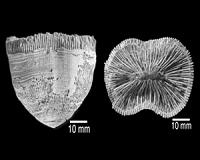 Ancient Corals Provide Insight On The Future Of Caribbean Reefs
Miami FL (SPX) Apr 11, 2011 Climate change is already widely recognized to be negatively affecting coral reef ecosystems around the world, yet the long-term effects are difficult to predict. University of Miami (UM) scientists are using the geologic record of Caribbean corals to understand how reef ecosystems might respond to climate change expected for this century. The findings are published in the current issue of the j ... read more |
|
|
| The content herein, unless otherwise known to be public domain, are Copyright 1995-2010 - SpaceDaily. AFP and UPI Wire Stories are copyright Agence France-Presse and United Press International. ESA Portal Reports are copyright European Space Agency. All NASA sourced material is public domain. Additional copyrights may apply in whole or part to other bona fide parties. Advertising does not imply endorsement,agreement or approval of any opinions, statements or information provided by SpaceDaily on any Web page published or hosted by SpaceDaily. Privacy Statement |


 del.icio.us
 Digg
Digg Reddit
 YahooMyWeb
 Google
 Facebook


