
 |
 |
 |
 |
 |
 |
 |
 |
 |

 |

Gottingen, Germany (UPI) Feb 7, 2011 Gibbons in Asia have regional accents scientists say can identify the exact species of gibbon singing and where they are from. Crested gibbons living in the rainforests of China, Laos, Cambodia and Vietnam use songs to communicate with other gibbons to bond with mates and define territory, songs specifically adapted to travel long distances by concentrating all of the energy into a single frequency, similar to the calls used by rainforest birds, LiveScience.com reported Monday. Researchers analyzing the singing of more than 400 gibbons from 92 groups in 24 different locations found each group of gibbons had their own slightly different way of singing, which varied by area and could be used to pinpoint a gibbon to a species and a location. "Each gibbon has its own variable song but, much like people, there is a regional similarity between gibbons within the same location," lead researcher Van Ngoc Thinh from the Primate Genetics Laboratory at the German Primate Center said. The subtly different songs changed with genetic diversity, so those species most closely related had the most similar accents, the researchers said. Being able to identify a gibbon by song could provide better monitoring of their populations, scientists say, since it is often difficult to obtain genetic samples from the animals and their coloration often varies within a species.
earlier related report Soccoh Kabia opened a one-day workshop in the capital with an appeal "to end the massive hunting and killing of manatee in spite of national laws protecting and conserving" the aquatic mammal. "The purpose of the workshop is to ... develop a conservation law that will lead to the protection and conservation of the west African manatee in Sierra Leone." The large, gray aquatic mammal which can reach up to 4.5 metres (14 feet 9 inches) in length and weigh about 360 kg (750 pounds), also known as a seacow is classified as a species vulnerable to extinction. In Sierra Leone the animal which lives in estuaries and rivers is hunted to be eaten, or by rice growers and fishermen who see it as a pest. "Several surveys have indicated that the mortality rate of the manatee is high while the reproductive potential is low at one birth in every two years," said Wetlands International representative Linnette John. A dealer in manatee meat, Joseph Lahai called the manatee a "destructive pest" and queried why is should be protected. Marine biologist Thomas Clarkson said the manatee did pose a destructive threat to rice cultivation and fishing areas, but suggested sanctuaries be created for their safety. "Conserving manatees can help transformed Sierra Leone into an eco-tourist centre. After all, manatees are friendly," he added.
Share This Article With Planet Earth
Related Links Darwin Today At TerraDaily.com

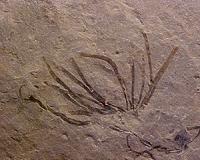 Putting The Dead To Work For Conservation Biology
Ithaca NY (SPX) Jan 21, 2011 Conservation paleobiologists-scientists who use the fossil record to understand the evolutionary and ecological responses of present-day species to changes in their environment - are putting the dead to work. A new review of the research in this emerging field provides examples of how the fossil record can help assess environmental impact, predict which species will be most vulnerable to e ... read more |
|
|
| The content herein, unless otherwise known to be public domain, are Copyright 1995-2010 - SpaceDaily. AFP and UPI Wire Stories are copyright Agence France-Presse and United Press International. ESA Portal Reports are copyright European Space Agency. All NASA sourced material is public domain. Additional copyrights may apply in whole or part to other bona fide parties. Advertising does not imply endorsement,agreement or approval of any opinions, statements or information provided by SpaceDaily on any Web page published or hosted by SpaceDaily. Privacy Statement |


 del.icio.us
 Digg
Digg Reddit
 YahooMyWeb
 Google
 Facebook


