
 |
 |
 |
 |
 |
 |
 |
 |
 |

 |

West Lafayette, Ind. (UPI) Apr 21, 2011 Earth may be able to recover from rising carbon dioxide emissions faster than previously thought, U.S. researchers studying prehistoric climate events say. Scientists at Purdue University say when faced with high levels of atmospheric carbon dioxide and rising temperatures 56 million years ago, Earth increased its ability to pull carbon from the air. Earth and atmospheric sciences Professor Gabriel Bowen said this led to a recovery that was quicker than predicted by many current models of the carbon cycle, though still on the order of tens of thousands of years, a university release reported Thursday. "We found that more than half of the added carbon dioxide was pulled from the atmosphere within 30,000 to 40,000 years, which is one-third of the time span previously thought," Bowen said. "We still don't know exactly where this carbon went, but the evidence suggests it was a much more dynamic response than traditional models represent." The Palaeocene-Eocene Thermal Maximum was an approximately 170,000-year-long period of global warming that has many features in common with the world's current situation. "During this prehistoric event billions of tons of carbon was released into the ocean, atmosphere and biosphere, causing warming of about 5 degrees Celsius (9 degrees F)," Bowen said. "This is a good analog for the carbon being released from fossil fuels today." A rapid growth of the biosphere, with a spread of forests, plants and carbon-rich soils to take in the excess carbon dioxide, could explain the quick recovery, he said. "We need to figure out where the carbon went all those years ago to know where it could go in the future," he said.
Share This Article With Planet Earth
Related Links Explore The Early Earth at TerraDaily.com

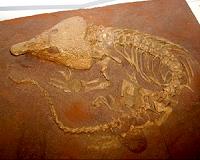 The Pain Of Evolution: A Big Toothache For Reptiles
Toronto, Canada (SPX) Apr 20, 2011 Our susceptibility to oral infection has some parallels to those of ancient reptiles that evolved to eat a diet incorporating plants in addition to meat. That's according to Robert Reisz from the University of Toronto and his colleagues who found evidence of bone damage due to oral infec-tion in Paleozoic reptiles as they adapted to living on land. Their findings, published online in Sprin ... read more |
|
|
| The content herein, unless otherwise known to be public domain, are Copyright 1995-2010 - SpaceDaily. AFP and UPI Wire Stories are copyright Agence France-Presse and United Press International. ESA Portal Reports are copyright European Space Agency. All NASA sourced material is public domain. Additional copyrights may apply in whole or part to other bona fide parties. Advertising does not imply endorsement,agreement or approval of any opinions, statements or information provided by SpaceDaily on any Web page published or hosted by SpaceDaily. Privacy Statement |


 del.icio.us
 Digg
Digg Reddit
 YahooMyWeb
 Google
 Facebook


